
What Material Is WPC?
What Material Is WPC? A Complete Guide to Wood Plastic Composite
Wood Plastic Composite (WPC) is an innovative material made from a blend of wood fibers and thermoplastics. It combines the natural appearance of wood with the durability and low maintenance of plastic, making it increasingly popular in construction, landscaping, and outdoor applications.
In this article, we’ll explain what WPC is made of, its advantages, uses, and why it has become a preferred alternative to traditional wood.
What Is WPC Made Of?
WPC stands for Wood Plastic Composite. It is typically manufactured from:
Wood fibers or wood flour (usually recycled sawdust)
Thermoplastics such as polyethylene (PE), polypropylene (PP), or PVC
Additives like stabilizers, pigments, UV inhibitors, and bonding agents
The combination of wood and plastic creates a composite material that offers the strength of wood and the weather resistance of plastic.
Most modern WPC products also use recycled materials, making them environmentally friendly and sustainable.
Key Properties of WPC Material
WPC material is engineered to overcome many of the weaknesses of natural wood. Its main properties include:
1. Water Resistance
Unlike traditional wood, WPC does not easily absorb moisture. It resists rot, swelling, and warping.
2. Durability
WPC is highly resistant to insects, termites, and decay.
3. Low Maintenance
It does not require painting, sealing, or frequent staining.
4. UV Resistance
With proper additives, WPC boards maintain their color even under long-term sun exposure.
5. Eco-Friendly
Most WPC materials are produced using recycled plastics and wood waste.
Common Applications of WPC
WPC material is widely used in both residential and commercial projects, including:
Outdoor decking
Fencing
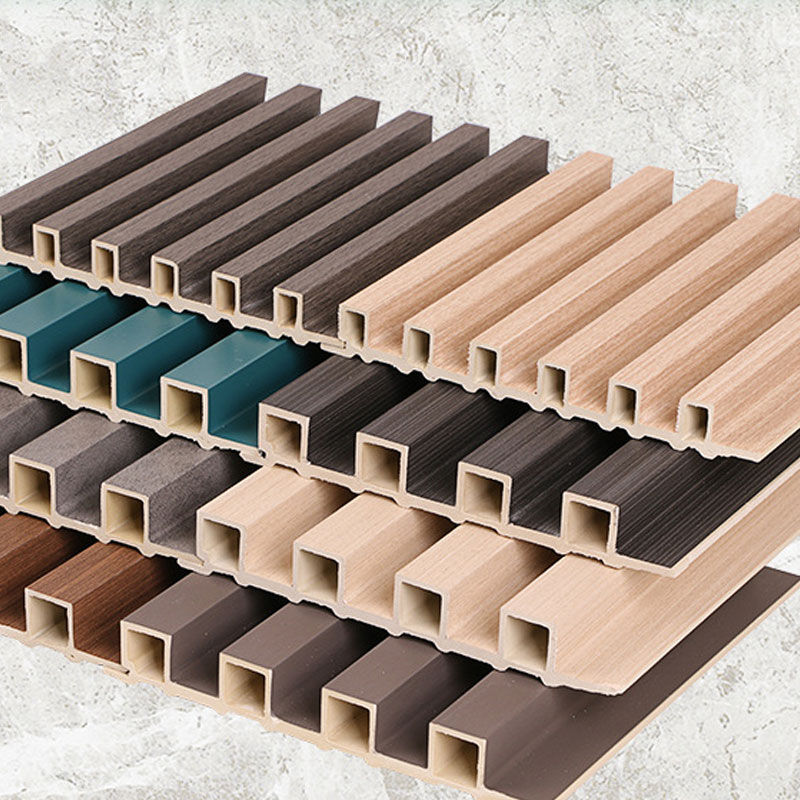
Wall cladding
Pergolas
Garden furniture
Outdoor flooring
Railings
Because of its weather resistance, WPC is especially popular in coastal areas and humid climates.
Types of WPC
There are generally two main types:
1. Solid WPC
Denser and stronger, suitable for heavy-load areas.
2. Hollow WPC
Lighter and more cost-effective, ideal for residential decking and fencing.
Additionally, WPC can be categorized by plastic base:
PE WPC
PVC WPC
PP WPC
Each type offers slightly different strength, flexibility, and cost characteristics.
WPC vs. Traditional Wood
| Feature | WPC | Natural Wood |
|---|---|---|
| Maintenance | Low | High |
| Water Resistance | Excellent | Poor |
| Lifespan | 15–25 years | 5–15 years |
| Termite Resistance | Yes | No |
| Painting Needed | No | Yes |
WPC provides the look of wood without the constant maintenance.
Is WPC Waterproof?
WPC is water-resistant, but not 100% waterproof like pure plastic. However, it performs significantly better than natural wood in wet environments.
For fully waterproof applications, capped or co-extruded WPC products are recommended.
Why Choose WPC Material?
Choosing WPC offers several long-term benefits:
Reduced maintenance costs
Longer service life
Environmentally friendly construction
Modern and natural appearance
Excellent performance in outdoor conditions
For builders, distributors, and construction companies, WPC represents a cost-effective and durable solution for outdoor applications.
Final Thoughts
WPC (Wood Plastic Composite) is a modern building material made from wood fibers and plastic polymers. It combines strength, durability, and weather resistance, making it an ideal alternative to traditional wood in decking, fencing, and exterior construction.
As global demand for sustainable and low-maintenance materials grows, WPC continues to gain popularity across the construction industry.
 What Material Is WPC?
 What is the average cost of pl
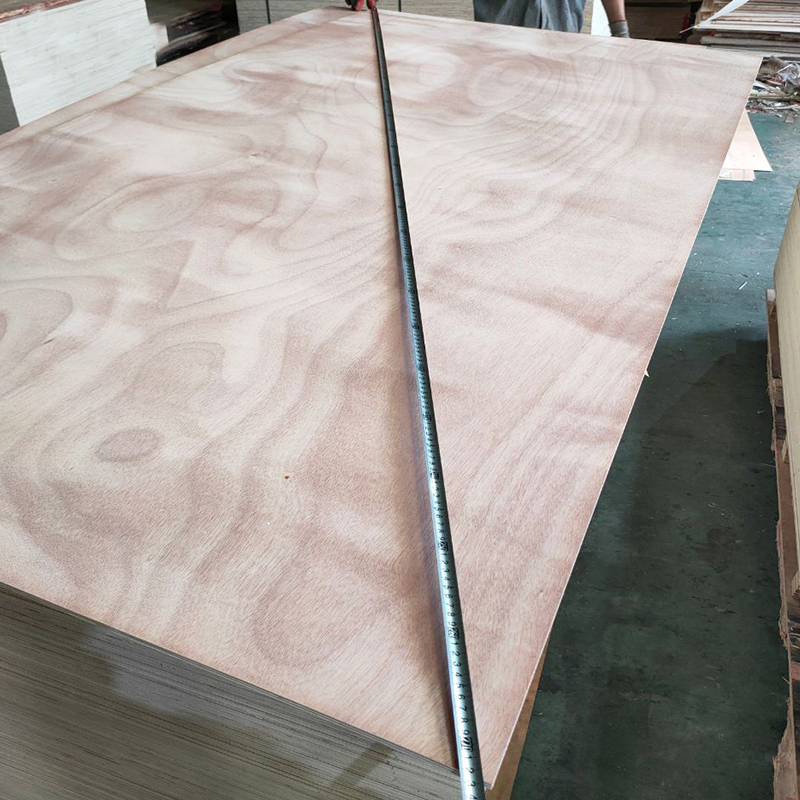 Okoume Plywood by Aouwood
 How Much Does a 4x8 Sheet of P